
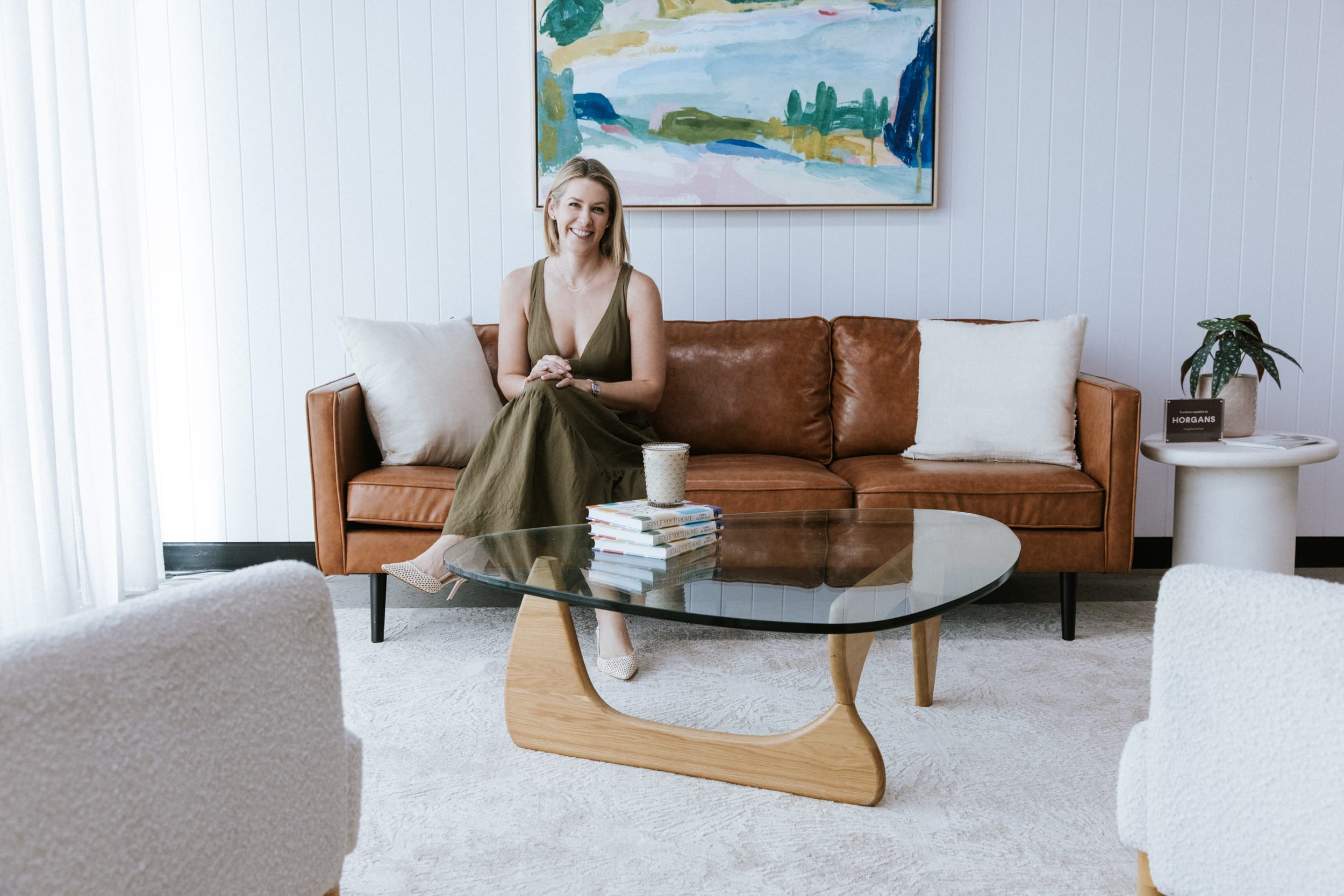

One of the most rewarding parts of my job is seeing how different every home can be – each one tells a story. Some are snug little city apartments full of clever nooks and natural light, while others are expansive country homes with views for days. But no matter the size, the key to good design always comes down to one thing: scale.
What do I mean by scale?
Scale refers to the size of objects in relation to the room they occupy and to each other. It’s a foundational principle we designers use to create balance, comfort, and harmony within a room. Designing with scale in mind helps a space feel balanced, intentional, and most importantly – like you.
City Apartments & Compact Homes

Smaller spaces can be a bit of a puzzle to work out how to design and place furniture within. But with the right approach, they can feel just as luxurious and inviting as a larger room.
1. Function First
In a compact home, everything needs to pull its weight. I always suggest opting for pieces that serve more than one purpose – think ottomans with storage, fold-out dining tables, or a beautiful bed with drawers underneath. Built-in cabinetry is a total game-changer for keeping things looking calm and clutter-free.
2. Lighten the mood
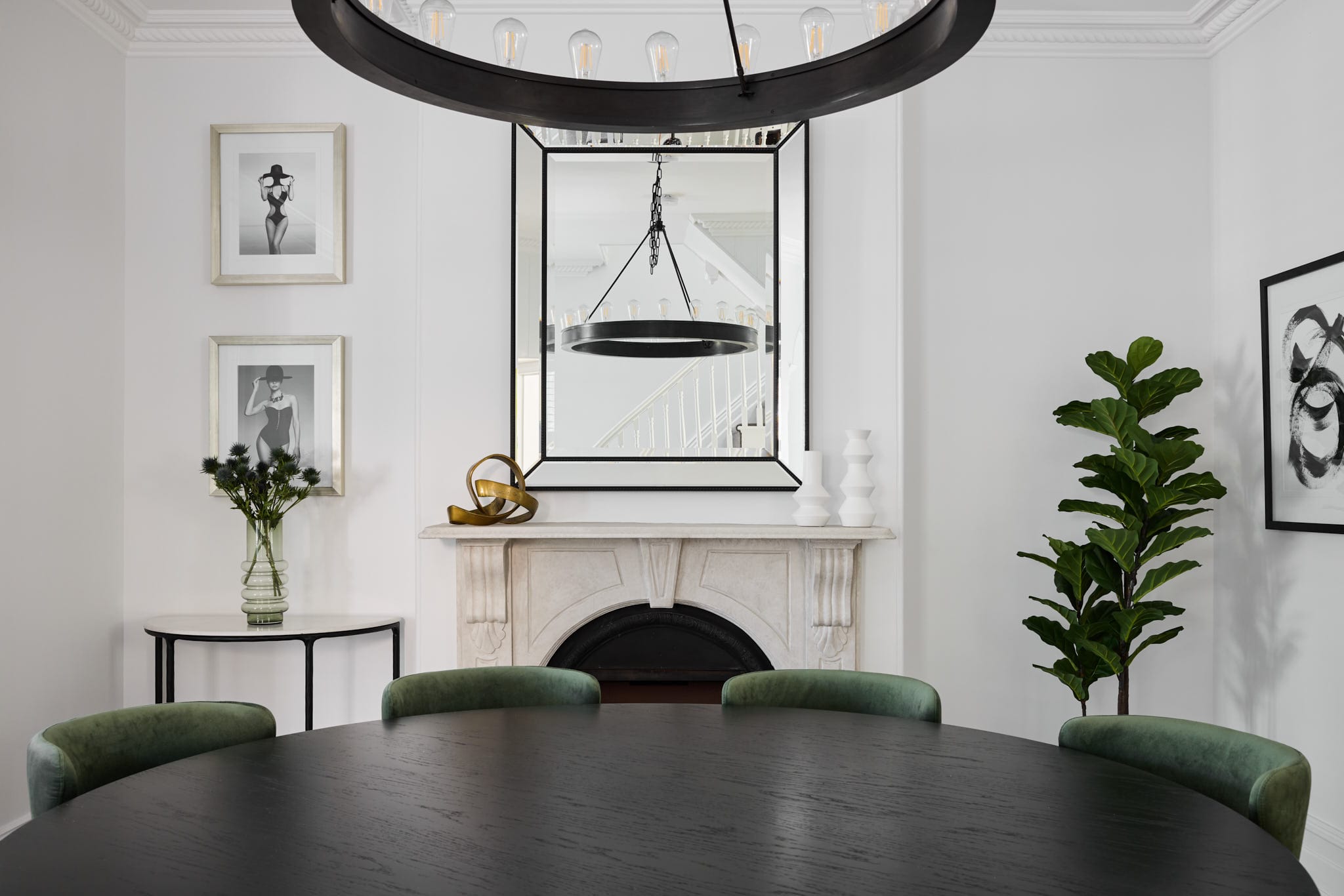
Small doesn’t have to mean dark. Light walls and soft-toned furnishings instantly make a space feel more open. Add a well-placed mirror (or two!) to bounce light around and create the illusion of more room. It’s one of my go-to tricks.
3. Think vertically
If floor space is limited, go up. Floating shelves, tall storage units, vertical artwork—it all draws the eye upward and gives your space a sense of height. Even a floor-to-ceiling curtain can make a room feel grander than it is.
4. Keep it cohesive
With smaller spaces, less really is more. A consistent colour palette and repeated textures help everything flow beautifully. Avoid too many clashing styles or finishes—it can make the space feel busier than it needs to be.
For Larger Spaces: Country Homes & Estates

Large spaces come with their own design challenges, but they’re also a wonderful canvas to play with. The goal? Making them feel warm, inviting, and not like a showroom.
1. Don’t be shy with furniture
Tiny sofas in big rooms just look… lonely. Larger spaces call for statement pieces—think generous sectionals, oversized coffee tables, or bold pendant lights. These anchor the space and help it feel well-proportioned.
2. Create moments
One big open room? Break it into zones. Use rugs to define areas, cluster furniture into conversation spots, and play with lighting to bring warmth to different corners. This layered approach makes even the largest rooms feel like home.
3. Let the landscape lead
If you’re lucky enough to live in a place with beautiful natural surroundings, lean into it. Bring the outside in with natural textures—linen, wood, stone—and a palette that compliments the view.
4. Leave room to breathe
Just because you can fill a room doesn’t mean you should. Negative space is underrated—it gives the eye a break and allows your favourite pieces to stand out. Curate slowly, with intention.
Need support?
Need support getting your scale and proportions right? Click here to view our portfolio of both small and big homes. We work with houses and apartments of all sizes! If you book a consultation with us during July, you’ll receive a signed copy of my latest book Style Your Home—a little thank-you from me to you.
Thanks so much for reading. As always, I love hearing your thoughts, so don’t be shy email me if you want to chat through your design ideas – in**@***********ld.com.
With love,
Emma x


